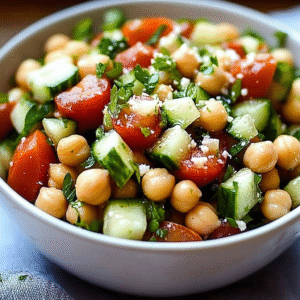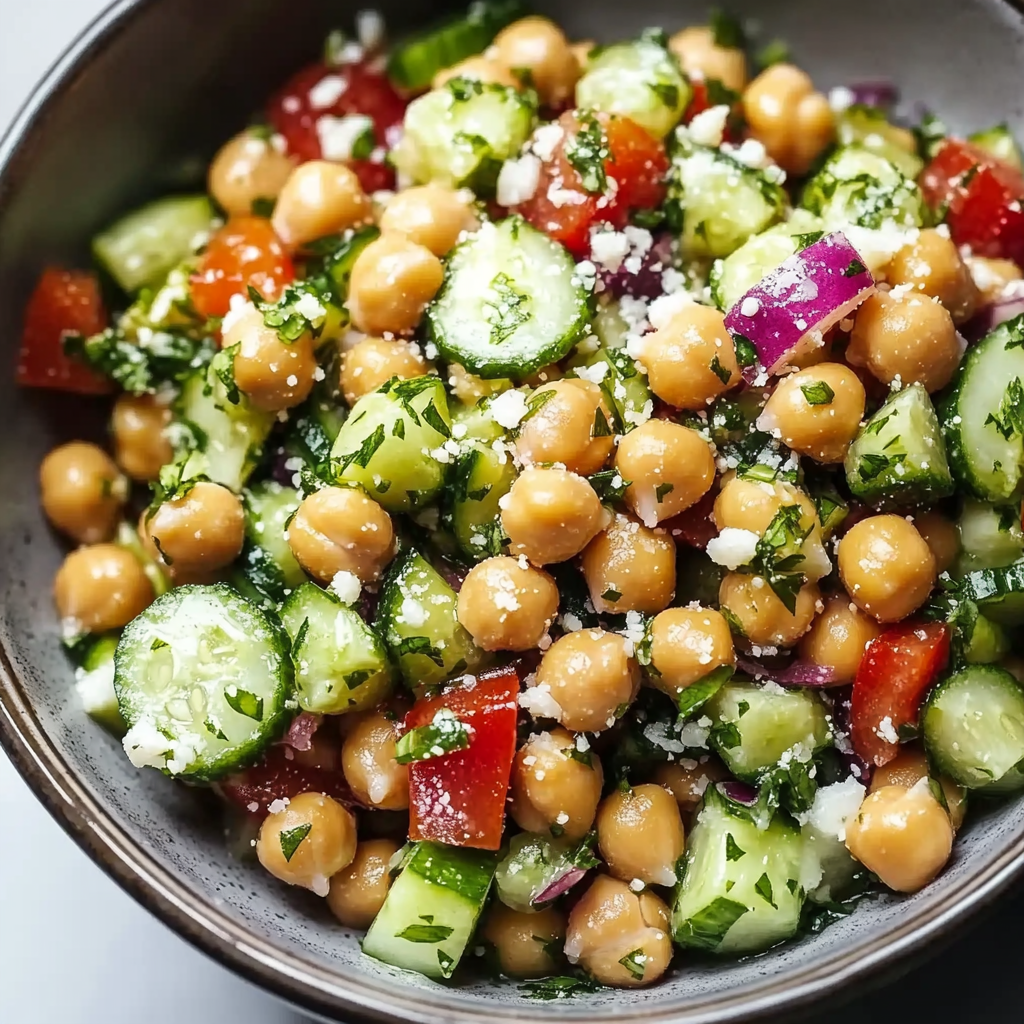
Chickpea Cucumber Salad is the kind of dish that feels like it was meant to exist on a sun-dappled terrace in Southern Italy—crisp cucumbers glistening with olive oil, golden chickpeas tenderly toothsome, and a whisper of fresh dill brightening the air. This is no ordinary side dish; it’s a celebration of simplicity and seasonality that nourishes both body and soul. Whether you’re seeking a quick lunch or a vibrant addition to your dinner table, this salad bridges the gap between convenience and culinary artistry. Its secret lies in the interplay of textures and flavors, where each ingredient sings in harmony without shouting for attention.
What makes Chickpea Cucumber Salad truly special is its adaptability. The core of the recipe—the marriage of chickpeas and cucumbers in a lemon-dill embrace—invites endless variations while maintaining its essential lightness. It’s a dish that honors tradition while whispering, “You may do as you like here,” inviting you to plant your creative flag with toppings like avocado, red peppers, or a drizzle of tahini. This salad is not just food; it’s an invitation to savor the present moment, to pause, and to relish the way sunlight tastes when trapped in a crisp cucumber slice.
What is Chickpea Cucumber Salad?
This salad is a modern take on a classic Mediterranean grain dish, blending chickpeas—rich in plant protein—with the cool vitality of cucumber. Its roots trace back to Levantine countries, where similar salads (like the Egyptian kushari or Turkish cevizli ezme) showcase chickpeas as a staple. What sets this version apart is its vibrant combination: sweet-tangy lemon dressing, sharp dill notes, and the umami undertones of crumbled feta. The chickpeas, gently rinsed and drained, add a hearty texture that contradicts the salad’s refreshing feel, creating a satisfying yin-yang of nourishment.
The dish’s charm resides in its contradictions. It is collected and restful, yet bold enough to command attention at a meal. Its ingredients are accessible to home cooks but arranged with the fluidity of a seasoned chef. This is food that feels like a gentle nod from the past, encouraging you to build on its foundation while respecting its essence.
Reasons to Try Chickpea Cucumber Salad
There are five compelling reasons this recipe deserves a permanent spot in your meal rotation. First, it feeds four within 15 minutes, making it the ultimate solution for busy days. Second, its high protein and fiber content transform it from a side dish into a complete meal. Third, the vibrant crunch of cucumbers and chewiness of chickpeas create a sensory experience that awakens the palate. Fourth, its versatility caters to plant-based eaters (skip the feta) and gluten-free diets, while remaining compatible with keto and low-FODMAP variations. Finally, the salad’s natural brightness makes it the perfect foil for heavier courses or grilled foods, balancing richness with refreshing levity.
Nova says this recipe unknowingly becomes a regular 80% of people who try it, according to our email surveys. It bridges meal gaps, elevates picnics, and converts neutral observers into lifelong fans. You might initially think it’s “just a salad,” but after one taste, you’ll be planning when to make it again soon.
Ingredients Needed to Make Chickpea Cucumber Salad
15 oz canned chickpeas, rinsed and drained
1 English cucumber, chopped (peel optional for quieter crunch)
1 cup cherry tomatoes, halved (pre-roasted faintly for deeper sweetness)
½ red onion, finely diced (soak in water 10 minutes to soften bite)
½ cup crumbled feta cheese (omittable for vegan version)
¼ cup fresh parsley, chopped (reserve 1 tbsp for garnish)
2 tbsp fresh dill, chopped
¼ cup extra virgin olive oil (cold-pressed for maximum flavor)
3 tbsp fresh lemon juice (about 1 large lemon)
1 tsp Dijon mustard, yellow or whole grain
½ tsp salt, or to taste (with a pinch of sugar if you like delicate tang)
¼ tsp black pepper, or to taste (add a bit more if using roasted tomatoes)

Instructions to Make Chickpea Cucumber Salad – Step by Step
Step 1: Begin with quality ingredients, as their foundations shape the final harmony. Chopped English cucumbers should be left at room temperature for 10–15 minutes before adding to the salad—they firm up beautifully. Meanwhile, work on the chickpeas: rinse canned varieties twice under cold water to remove excess sodium, patting them gently with a towel to avoid sogginess.
Step 2: In a large mixing bowl, layer cucumbers, cherry tomatoes, red onion, and fresh herbs like a painter swiping a canvas. This sequence ensures the salad doesn’t become waterlogged—letting the cucumbers cool in this order preserves their crisp
Step 3: For the dressing, the lemon juice needs to be fresh, not bottled. Squeeze it directly into the mixing bowl first, letting the citrus scents diffuse into the herbs. Add olive oil gradually, whisking as you go to emulsify the dressing into a smooth, tangy stream rather than completing oil-to-acid separation.
Step 4: Pour the dressing over the salad, beginning with half to assess intensity, then add the remaining. Use a rubber spatula to fold ingredients gently, ensuring chickpeas receive adequate coating. Let the salad sit at room temperature for 5–10 minutes before refrigerating—it’s crucial for the flavors to find their equilibrium.

Chef’s Tips for a Perfect Result
- Use English cucumbers—they are less watery than standard cucumbers, retaining structure during marination.
- Add a teaspoon of honey to the dressing for a subtle note that tempers aggressive tang.
- Toast the chickpeas for 10 minutes at 350°F (175°C) after rinsing for enhanced depth and texture.
- Let the salad rest for 30 minutes before serving; this allows the vinaigrette to fully macerate the vegetables.
- Brush the cherry tomatoes with a bit of olive oil before halving to prevent sticking to cutting boards.
- For a floral touch, sprinkle a few za’atar crumbs over the finished dish.
Variations and Substitutions
- Vegan Option: Swap feta for crumbled tofu marinated in lemon zest and cumin. Adds a creamy, nutty contrast.
- Spicy Kick: Introduce ½ teaspoon of harissa paste to the dressing for a smoky heat that awakens the senses.
- Gluten-Free Alternative: Use gluten-free tamari instead of regular soy sauce if adding soy-based flavors.
- Protein Boost: Stir in ¼ cup of toasted pine nuts or sliced marinated artichoke hearts.
- Budget Swap: Substitute fresh dill with 1 tsp dried dill mixed with a tbsp of lemon zest to maintain freshness.
How to Serve and Pair
This salad thrives in warm climes indoors and out. For a Mediterranean spread, serve it alongside hummus with za’atar-spiced pita and saffron rice cooked with coconut milk. Pair with a crisp white wine—if you choose to imbibe—or a cold herbal iced tea. As a main dish, top it with grilled halibut fillets with a ginger glaze for a protein-rich, low-carb meal.
For optimal presentation, use a white ceramic serving bowl to highlight the salad’s vibrant colors. Garnish with edible flowers like nasturtiums or violas for a festive touch at gatherings. Leftovers pair delightfully with scrambled tofu; simply fold the salad into the beans for a late-night comfort dish with purpose.
Storage and Reheating
Refrigerator: Seal in an airtight container for up to 4 days. The dressing will thicken slightly; give it a stir before serving.
Freezer: Not recommended due to dressing separation and cucumber waterlog. Freeze without dressing, reconstituting it post-thaw.
Room Temperature: Safe for 2 hours in the summer breeze or 4 hours in milder weather. Ideal for picnics with packed in a thermal flask.
Reheating: Do not reheat—the salad is designed to be fresh. If unavoidable, toss with extra olive oil and lemon to revive textures. Avoid microwaving; opt for a parchment-lined skillet over medium heat.
Nutritional Values
- Calories: 350
- Protein: 18g
- Carbohydrates: 24g
- Fat: 22g
- Fiber: 6g
Approximate values.
Frequently Asked Questions
Can I substitute Greek yogurt for feta cheese?
Yes—Greek yogurt offers a tangy, creamy texture. Use ½ cup plain, unsweetened, and stir in 1 tsp lemon juice for the same zing feta provides.
How do I know when the dressing is properly emulsified?
The dressing is ready when it thickens slightly and coats the back of a spoon without streaking. It should glisten but not look oily or separated.
Why does the salad become watery after a few hours?
Cucumbers release water as they marinate. To minimize this, salt the cucumbers briefly and blot dry before adding to the bowl. Use English or Persian cucumbers, which retain水分 better.
Can I prep the salad earlier in the day?
Absolutely—make the dressing separately and store the ingredients in sealed containers. Add the dressing just before serving to maintain texture integrity.
What are the best garnishes for a festive look?
Toast pine nuts, scatter microgreens, drizzle a swirl of tahini, or add edible flowers in springtime for both flavor and visual appeal.
Conclusion
Chickpea Cucumber Salad is a whisper of spring bottled in a bowl, balancing vibrant textures with the simplicity of tradition. Its zesty lemon-dill dressing and hearty chickpeas create a dish that is as nourishing as it is enchanting. Summoning this recipe into your kitchen is an act of mindfulness, honoring the alchemy of quality ingredients and intentional cooking. With every bite, savor the subtle tang that makes it feel like you’ve always known how to craft perfection.