Delicious Chicken Stir Fry with Vegetables
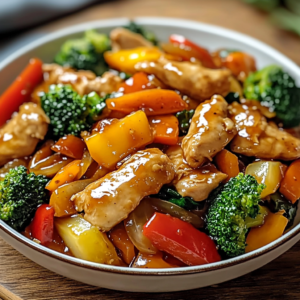
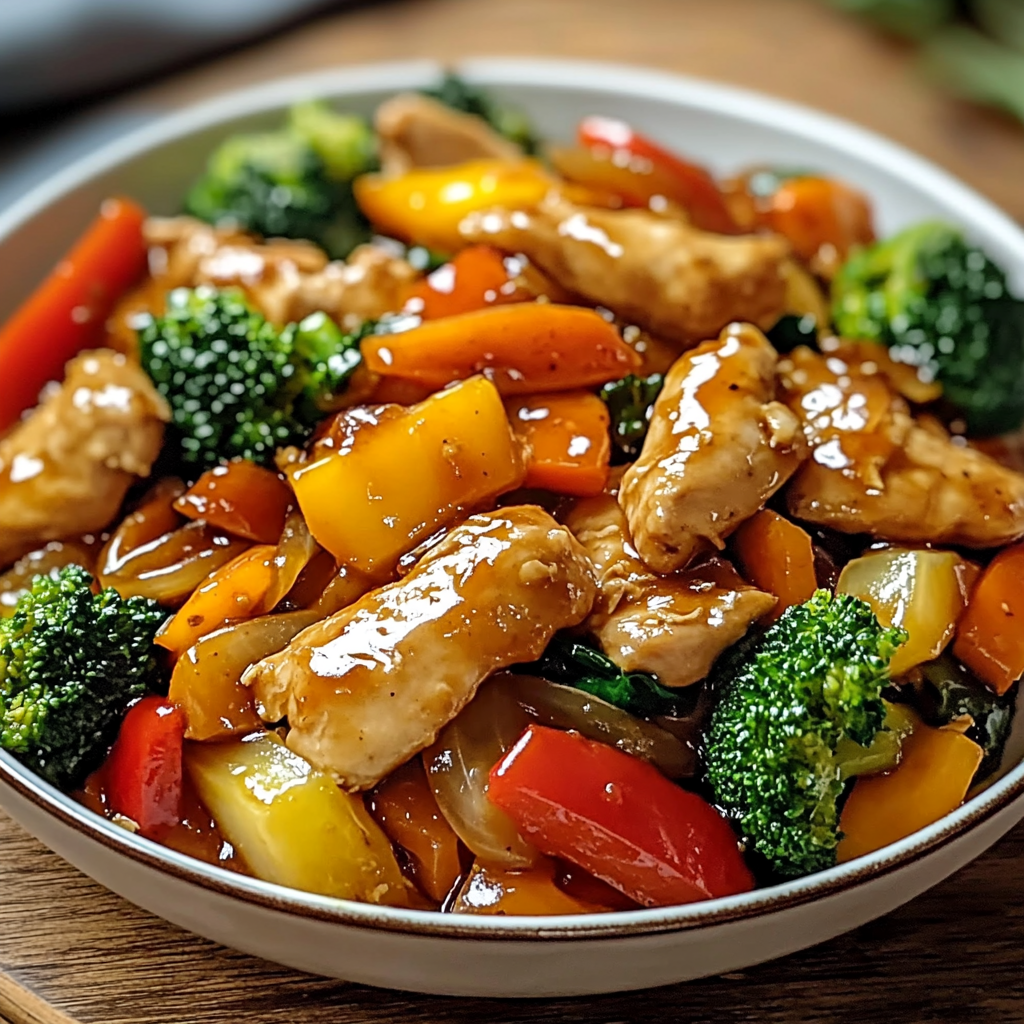
There’s a reason this vibrant chicken stir fry with vegetables has become my family’s go-to weeknight recipe. The dish blends tender, seared chicken with a rainbow of crisp-tender veggies, all tossed in a balanced savory-sweet sauce that coats every bite. Whether I’m cooking for my two kids while practicing sunset yoga on the deck or packing lunches for a busy work week, this meal feels like a warm hug in a bowl. What makes it special? The interplay of textures—crispy from the stir-fried carrots and broccoli, chewy from the soy-soaked bell peppers—and the way the honey-sesame glaze clings to each piece of chicken like a gentle, nourishing embrace.
Every spoonful feels like mindful cooking at its best: a dance of fresh ingredients, minimal oil, and just enough sweetness to satisfy without weighing you down. My daughter used to say the sauce reminded her of “sticky sunshine," which somehow captures its warmth and brightness. Read on to discover how to recreate this comforting dish in your own kitchen, with tips to adapt it to your health goals, pantry staples, and family preferences.
What is Delicious Chicken Stir Fry with Vegetables?
This Asian-inspired dish marries the quickness of stir-frying with the nutritional punch of colorful vegetables and lean chicken. The method preserves the vegetables’ vibrant hues and nutritional content while locking in the chicken’s juices. My recipe leans into traditional stir-fry principles but modernizes it with low-sodium soy sauce, a whisper of honey instead of heavy sugars, and nutrient-dense veggies like broccoli and bell peppers.
While stir fry originates across Asian culinary traditions, my version focuses on simplicity and accessibility. Rather than complicated techniques or rare ingredients, it relies on high-heat cooking to create a smoky char while keeping the veggies crisp. The sauce balances sweet, salty, and umami—perfect for solo meals or pairing with jasmine rice or soba noodles.
Reasons to Try Delicious Chicken Stir Fry with Vegetables
This recipe thrives on its versatility and ease. Busy parents love how the prep times add up: 15 minutes of chopping and 15 minutes of cooking, with no complicated steps or specialty tools. Beginners appreciate how the recipe’s forgiving nature lets even a hurried cook achieve restaurant-quality results. For health-conscious homecooks like me, it offers 28g of protein, 4g of fiber, and 22g of carbs in a single serving—perfect for sustaining energy through a yoga class or a day of outdoor adventures.
What truly elevates this dish is its adaptability. Substitute tofu for chicken to make it vegan, swap zucchini for broccoli to match seasonal produce, or add a splash of rice vinegar for extra brightness. It’s a canvas for creativity and a go-to for those seeking balanced, satisfying meals without compromise.
Ingredients Needed to Make Delicious Chicken Stir Fry with Vegetables
3 boneless, skinless chicken breasts (about 1.5 lbs), sliced thinly
2 cups broccoli florets
1 cup bell peppers (mix of red, yellow, green), sliced
1 cup carrot slices
4 garlic cloves, minced
2 tbsp low-sodium soy sauce
1 tbsp sesame oil
1 tbsp honey
2 tbsp cooking oil (I prefer avocado or sesame oil for an extra umami boost)
Pro tip: For an extra burst of freshness, add a handful of chopped green onions or cilantro when serving.
Instructions to Make Delicious Chicken Stir Fry with Vegetables – Step by Step
Step 1: Begin by preparing your ingredients mindfully. Wash the broccoli until it’s crisp under your fingers, then cut it into small florets, each about the size of a pea. I find it helpful to slice the chicken against the grain to ensure tenderness. This step also works well to process the peppers and carrots into even pieces—consistency matters when stir-frying so everything cooks at the same rate.
Step 2: Heat the cooking oil in a large skillet or wok over medium-high heat. Listen for the sizzle that signals the oil is ready—about 30 seconds after it begins to shimmer. Add your chicken strips in a single layer (adjust the batch size if your pan is small) and sear for 5 minutes. The edges will turn golden brown, creating that irresistible char. Use your spatula to flip each piece gently; the chicken should sizzle and release smoothly once it’s done browning.
Step 3: Introduce the garlic first, its raw fragrance releasing almost instantly. Follow with the carrots, which take a bit longer to soften. After 1 minute of sizzling, add the broccoli and bell peppers. Stir-frying for 3 minutes should achieve that perfect crisp-tender balance—test a piece or two to ensure the florets hold their structure but aren’t raw.
Step 4: Now it’s time for the sauce. The moment I pour the low-sodium soy sauce, honey, and sesame oil into the pan, the ingredients seem to come alive in a symphony of aromas. Stir everything together with a vigorous yet gentle motion, ensuring the chicken and veggies are fully coated. The mixture will bubble slightly, and within 2 minutes, you’ll notice the sauce thickening and darkening—this means the flavors are marrying into that “sticky sunrise" we all crave.
Step 5: Serve directly from the pan, drizzling any remaining sauce over the top to tie the dish together. I like to let the plate cool for 5 minutes before digging in, allowing the chicken to rest while the aroma fills the room.
Chef’s Tips for a Perfect Result
- Use a hot pan: Preheat your skillet for 2-3 minutes before adding oil. This helps seal the chicken and prevents sogginess.
- Don’t overcrowd the pan: Stir-fry in batches if necessary—overcrowding lowers the heat and makes for rubbery chicken.
- Marinate the chicken: Let the chicken strips sit in a pinch of salt and a splash of soy sauce for 10 minutes to enhance flavor absorption.
- Adjust the sauce balance: If sweetness is too overpowering, mix in 1 tbsp rice vinegar for acidity.
- Prep ahead: Chop and marinate ingredients the night before for a 10-minute meal the next day.
Variations and Substitutions
Vegan Option: Swap chicken for extra-firm tofu (cubed and pan-fried). Use tamari instead of soy sauce and replace honey with maple syrup.
Gluten-Free Alternative: Opt for gluten-free soy sauce and verify your tamari is 100% gluten-free.
Low-Carb Version: Omit the bell peppers and carrots; add zucchini and bok choy instead for fiber without starchy carbs.
Budget Swap: Use leftover grilled chicken and seasonal vegetables from the farmers’ market for cost-effectiveness.
How to Serve and Pair
The beauty of this dish lies in its pairing flexibility. For a nourishing bowl, serve it over basmati or brown rice. My favorite protein-rich combo is with soba noodles, which soak up the sauce beautifully. For a gluten-free option, I recommend jasmine rice. As a side, roasted sweet potatoes with a dusting of cumin add earthiness that contrasts with the dish’s brightness.
When presenting on a platter, arrange the chicken and veggies in a fan shape and sprinkle chopped roasted peanuts or sesame seeds for texture. For gatherings, add a dollop of lime crema in the center and let guests drizzle it as they please. Leftover sauce? Drizzle it over a steamed quinoa or millet bowl for a midday meal.
Storage and Reheating
Refrigerator: Cool completely and store in an airtight container for 3-4 days. The sauce may thicken, but a quick whisk of a splash of water or broth revitalizes it.
Freezer: Portion into resealable bags for up to 2 months. Thaw in the fridge overnight before reheating.
Room Temperature: Keep in an insulated lunch container for up to 4 hours. Add a slice of lemon to the container for extra freshness.
Reheating:
- Stovetop: Cook over medium heat with 1 tbsp water or broth to prevent drying out.
- Oven: Spread on a baking sheet and reheat at 300°F until warmed through.
- Microwave: Cover and add a damp paper towel to maintain moisture.
Always check the texture before serving—heated chicken should still be moist but not spongy.
Nutritional Values
- Calories: 295
- Protein: 28g
- Carbohydrates: 22g
- Fat: 10g
- Fiber: 4g
Approximate values.
Frequently Asked Questions
Can I use tamari instead of soy sauce?
Yes—tamari is a gluten-free, soy-based alternative that adds a richer, nuttier flavor to your sauce.
How do I know when the chicken is done?
Insert a digital thermometer into the thickest part; 165°F indicates it’s fully cooked. The chicken will also lose its opaque center and become uniformly white.
Why is my stir-fry sauce too thick?
Stir in 1-2 tbsp water or chicken broth while heating. The sauce will loosen as it emulsifies with the added liquid.
Can I prepare this in advance?
Absolutely! Chop and marinate the chicken up to 24 hours ahead. Store cooked stir-fry for 3-4 days in the fridge (sauce separately if desired).
How should I customize the recipe for a dinner party?
Upgrade by adding shiitake mushrooms for depth or sprinkle crushed red pepper flakes for warmth. Serve with a citrus salad to add zing.
Conclusion
Delicious Chicken Stir Fry with Vegetables is a celebration of simple, vibrant flavors that nourish both body and soul. With tender chicken, crisp veggies, and a sticky, aromatic sauce, this dish bridges the gap between comfort and health. Give it a try—there’s a reason it feels like sunshine in every bite.