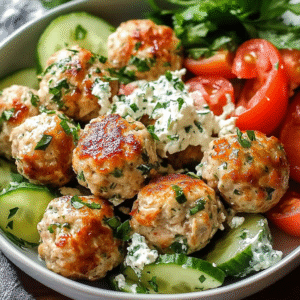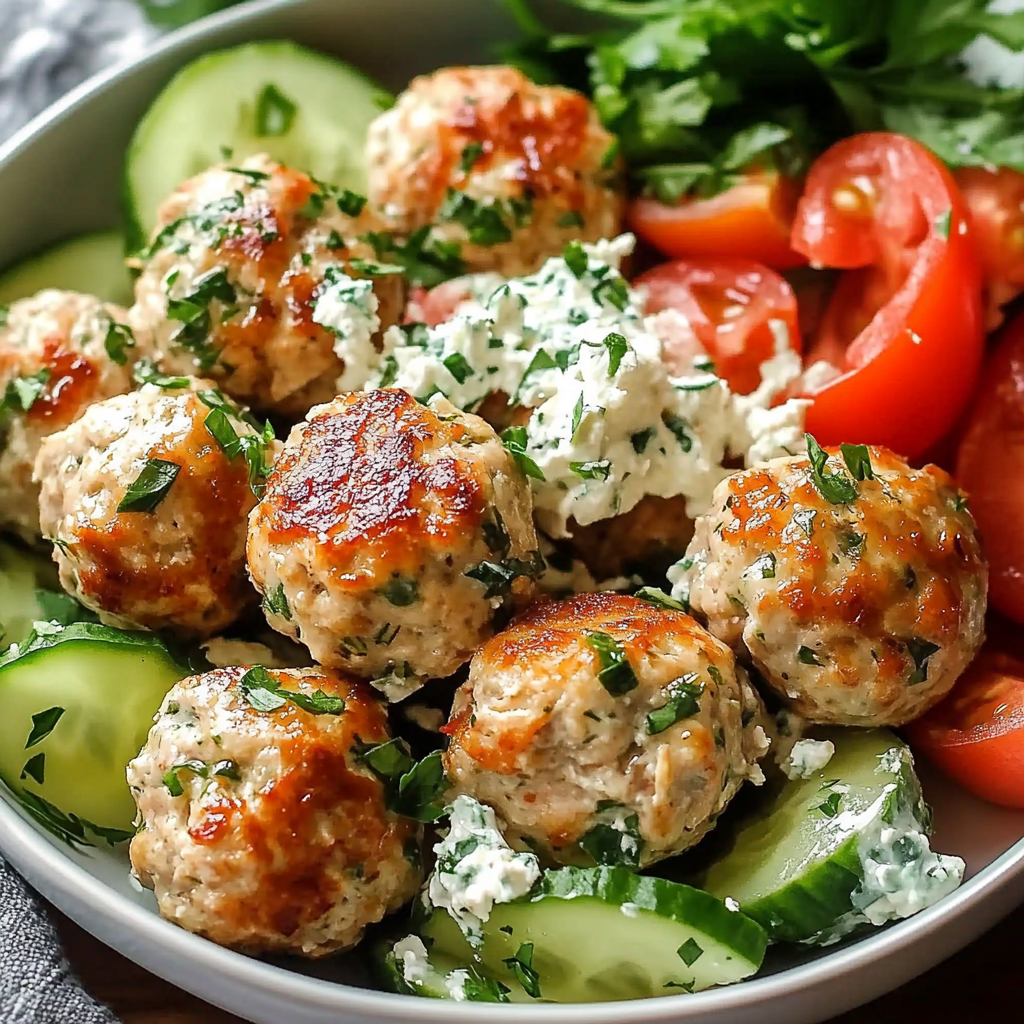
Greek Chicken Meatballs are my kind of soul food—light yet satisfying, ancient yet modern. These magnetic morsels carry the sun-kissed essence of Aegean markets to your dinner table, and today I’m sharing how to make them with warm, seasoned chicken and fresh herbs that dance on your tongue. Whether you’re craving a quick weeknight recipe or a vibrant appetizer for a summer gathering, these Mediterranean-style meatballs deliver the warmth of Greece in every bite. The secret lies in the perfect balance of aromatic herbs, zesty brightness, and the gentle sizzle of olive oil creating golden crusts that crumble satisfyingly under your fork.
If you’ve ever wondered why Greek chicken meatballs differ from Italian or Middle Eastern versions, it’s in the crisp freshness of ingredients and their uncanny ability to feel both indulgent and virtuous. This version skips the heaviness altogether, using lean ground chicken and just the right mix of dill, mint, and oregano to mimic the flavors of a seaside taverna. By the end of this guide, you’ll understand why these meatballs are a modern favorite in Greece and why they deserve a place in your kitchen, whether you’re a newcomer to Mediterranean cuisine or a seasoned home cook.
What Are Greek Chicken Meatballs?
These golden-brown spheres are a delicious fusion of ancient Greek cooking traditions and modern health-conscious preferences. Originating from coastal Greece where fresh ingredients reign supreme, the meatballs incorporate unique elements that set them apart from their global counterparts. While Italian meatballs often rely on breadcrumbs and heavier meat cuts, Greek versions lean into bold herbs like dill and mint, combined with zesty lemon to create a refreshing flavor profile.
The foundation is lean ground chicken, chosen for its tender texture and ability to absorb the vibrant Mediterranean flavors. Red onion adds subtle sharpness, while garlic contributes depth. A touch of cumin and oregano brings out earthy warmth, and red pepper flakes offer a gentle kick that simmers just below the surface rather than dominating the palate. What makes these meatballs truly special is the freshness—they’re finished with a flurry of chopped herbs that pop with flavor in every bite.
Reasons to Try Greek Chicken Meatballs
These meatballs are the perfect solution for anyone who wants to enjoy comforting food without sacrificing nutrition. The lean chicken builds a high-protein foundation, while the herbs and olive oil add unmistakable authenticity with no trans fats. This recipe fully embraces the Mediterranean diet’s power to nourish and delight at the same time, making it ideal for health-conscious cooks who still want restaurant-worthy flavor.
Busy parents will love that the whole dish can be ready in 30 minutes with minimal cleanup, while meal preppers will appreciate the recipe’s batch-friendly nature. The beauty of these meatballs lies in their versatility—you can serve them as an appetizer with dip, a protein-packed main dish, or even a filling for baked pita boats. For families, they’re gentle on sensitive stomachs (as long as you skip the dipping sauces) and perfect for introducing children to global flavors through kid-approved comfort food.
Ingredients Needed to Make Greek Chicken Meatballs
2 pounds ground chicken: Lean protein that stays tender
1 teaspoon salt: Enhances all the natural flavors
1/4 teaspoon black pepper: Adds gentle heat to warm the flavor profile
1/2 teaspoon ground cumin: Delivers warm, toasted earthiness
1/2 teaspoon ground oregano: Authentic Mediterranean herbal backbone
1/2 teaspoon red pepper flakes: Provides a subtle, smoky heat
1/4 cup fresh dill, chopped: Bright, grassy freshness
1/4 cup fresh mint, chopped: Source of aromatic depth and lightness
1/4 cup red onion, finely diced: Sharpness to balance the richness
4 cloves garlic, finely minced: Deep umami from the bulb
1/2 teaspoon lemon zest: Zesty brightness that lifts the whole dish
1 tablespoon olive oil: For creating that perfect golden crust
Tips: When working with fresh herbs, gently bruise the leaves by rubbing between your fingers to release maximum aromatic essence. For consistent meatballs, let the mixture chill in the fridge for 15 minutes before forming.

Instructions to Make Greek Chicken Meatballs – Step by Step
Step 1: Begin by gathering all your fresh herbs in one bowl and gently crush them between your palms to awaken their aromatic oils. This preparation step might feel like a ritual, but you’ll notice the difference in final flavor intensity. In a large mixing bowl, combine the ground chicken with salt, pepper, cumin, oregano, and red pepper flakes using your hands to create a fragrant base that smells like an Athenian kitchen market. The chicken should feel cool but pliant as you mix in the spices.
Step 2: Add the freshly crushed green herbs along with the red onion and minced garlic. At this point, take a moment to breathe in the mixture—there’s something almost meditative about the combination of garlic’s sharpness and the herbs’ freshness. Mix with your hands until just combined, taking care not to overwork the chicken which would make the meatballs tough. The lemon zest goes in last, its pale golden flakes adding a final burst of brightness that can only come from citrus rind.
Step 3: To form the meatballs, wet your hands with water first to prevent sticking. Using a large spoon or mini cookie scoop, portion about 2 tablespoons of mixture each to shape into uniform rounds. For perfect consistency, aim for spheres slightly smaller than golf balls. The wet hands make all the difference here, allowing the mixture to slip gently through your fingers instead of clinging. Place the finished meatballs on a clean plate while you work in batches.
Step 4: Heat olive oil in your skillet until it glistens lightly. Add meatballs in a single layer spaced about 1 inch apart and cook for 3-4 minutes per side until golden browned. Don’t flip too early—you’ll know it’s ready when the edges begin to firm and the bottom turns a rich nut-brown color. The meatballs will sizzle gently, hinting that the surface moisture has evaporated. Use a thermometer to ensure they reach 165°F before removing from heat for safe consumption.

Chef’s Tips for a Perfect Result
- Cold hands make perfect meatballs: Work with chilled chicken and cold tools to prevent overworking
- Don’t skip the olive oil: It creates a beautiful crust while keeping the inside juicy
- Use herb stems: Sometimes the faint stems remain after chopping leafy herbs—we like to include them for subtle texture
- Let the mixture rest: Chilling in the fridge for 15-20 minutes allows flavors to meld better
- Test with a sample meatball first: Sometimes consistency depends on how fine your grind is—adjust as needed
Variations and Substitutions
- High-Protein Upgrade: Add 1/2 cup grated zucchini to the mixture to increase water content and reduce density
- Gluten-Free Alternative: This version is naturally gluten-free, but double-check that your spices aren’t processed in facilities with wheat
- Herb-Free Option: Substitute with 1/4 cup chopped Italian seasoning blend for a more uniform flavor
- Low-Carb Serving: Miracle Whip or fat-free Greek yogurt with herbs makes excellent low-carb sauce option
- Budget Swap: You can use 50/50 ground chicken and turkey mix at up to 30% cost savings
How to Serve and Pair
Serve these meatballs as a standalone appetizer with chilled tzatziki, or pair with warm pitta bread and olive tapenade for a full-tasting platter. For main dishes, they work beautifully as a filling for baked tomato shells or as a topping for mousaka. Leftovers can be crumbled and mixed into rice or quinoa for a fresh, flavorful lunch. The act of serving should feel like a small ritual—perhaps arranging them in a wide ceramic dish with lemon slices and fresh herbs drizzled with olive oil to glisten under candlelight.
Storage and Reheating
Refrigerator: Store in airtight container for up to 4 days, best when kept in single layer to prevent moisture buildup
Freezer: Freeze raw meatballs on foil parchment first, then transfer to zip-top bags for up to 3 months
Room Temperature: Up to 2 hours only in air-tight container
Reheating: Perfectly reheats in oven at 375°F with a splash of water for 10-15 minutes to preserve juiciness. Microwave in 1-minute intervals for 2-3 times while covering with damp paper towel
Nutritional Values
- Calories: 290
- Protein: 28g
- Carbohydrates: 3g
- Fat: 18g
- Fiber: 0.5g
Approximate values
Frequently Asked Questions
Q1: Can I use dried dill instead of fresh?
Use 1.5 times the amount and add it earlier in the mixing process. Dried herbs lose much of their aromatic punch when cooked longer.
Q2: How do I tell when they’re done cooking?
The meatballs will be springy to the touch and internal temperature should reach 165°F. They won’t feel undercooked when lightly pressed.
Chicken that’s not properly chilled or overhandled creates sticky texture issues. Try letting mixture rest in fridge first.
Q4: Can I make this ahead?
Perfect make-ahead meal—form and freeze meatballs, baking directly from frozen with 5 extra minutes at 400°F. Freeze raw or cooked both work.
Q5: Best serving suggestion for special occasions?
Arrange on a white platter with microherbs, lemon slices, and tzatziki in small domes for elegant appearance while protecting moisture.
Conclusion
Greek Chicken Meatballs are more than just another chicken recipe—they’re a gateway to healing through food’s simple, joyful transformations. Starting with humble ingredients and ending with golden-browned perfection, they embody the Greek philosophy of turning local goodness into lasting memories. By letting fresh herbs take center stage, we not only feed our bodies but also nourish our connection to the living world. The first bite offers a warm explosion of flavor that speaks of sun-warmed fields and coastal breezes, reminding us why healthy food feels like comfort food when prepared with care, intention, and the wisdom of generations.