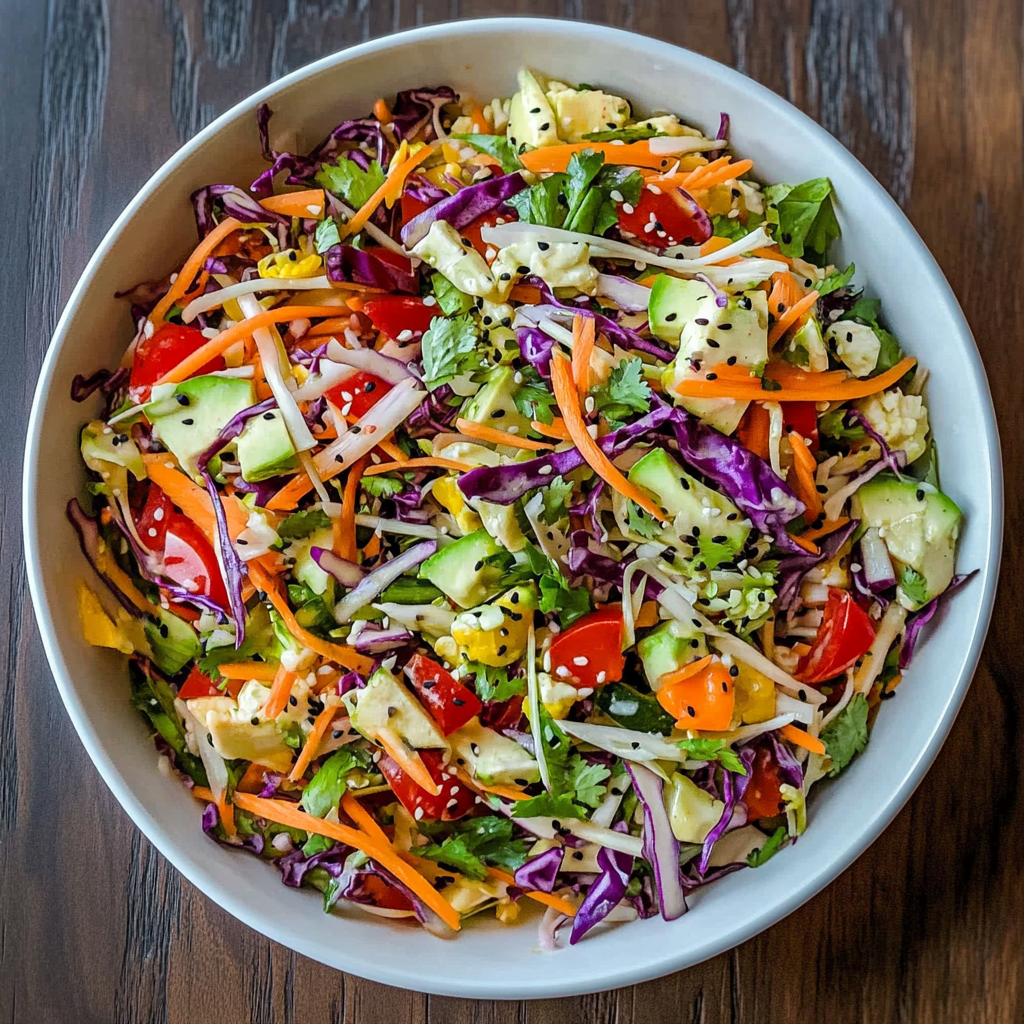
Asian Chopped Salad Recipe has become my kitchen’s favorite summer staple. Bursting with crisp textures and bold sweet-tangy flavors, this dish feels like a sunshine-drenched plate of joy. The homemade Asian dressing—laced with sesame oil, honey, and ginger—transforms simple cabbage and snap peas into a symphony of umami brightness. What I love most is how effortless it is to assemble: no chopping marathon required, just a quick toss of prepped veggies and a drizzle of the zesty dressing.
When I first discovered this recipe while exploring street food in Bangkok, I was struck by how it balanced crunch and silkiness. The roasted cashews and crispy chow mein noodles add delightful contrasts, while the red cabbage’s color adds festive flair. Today, I’ll share how to recreate this restaurant-quality salad in your own kitchen, with tips to make it your own.
What Is Asian Chopped Salad?
Asian Chopped Salad is a fusion of traditional Asian flavors and modern healthy eating. Originating from contemporary reinterpretations of Chinese and Thai dishes, this salad features a medley of crunchy vegetables tossed in a tangy sesame-honey-ginger dressing. Common variations include crispy chow mein noodles for texture, while others use crushed tofu for a protein boost. Unlike traditional Western salads, this version emphasizes bold, layered flavors: the sweet-tangy dressing counterbalances the vegetables’ crispness, creating a mouthwatering contrast.
What makes it unique is the interplay of textures—from the jicama’s juicy snap to the cashew crunch—and the dressing’s depth. Many home cooks adapt the recipe by adding grilled chicken, shrimp, or tofu to turn it into a meal. I often pair mine with a drizzle of chili garlic oil for extra heat, perfect for those who love a kick!
Reasons to Try Asian Chopped Salad
Let me count the ways this salad deserves a permanent spot in your rotation. First, it’s a powerhouse of nutrients: cabbage provides vitamin K, snap peas deliver vitamin C, and chow mein noodles offer fiber. The homemade dressing skips store-bought additives while keeping sodium in check for mindful eaters. Second, it’s astonishingly easy—most of the prep involves slicing, which any beginner can master in 15 minutes. The 30-minute total time makes it ideal for busy weeknights when you crave fresh flavors without the hassle.
Who benefits most from this recipe? New parents like myself juggling work and family, health-conscious snackers seeking light yet flavorful meals, and anyone who loves Asian-inspired dishes. For those avoiding gluten, the crispy noodles can be replaced with rice crackers or baked quinoa for the same crunch. It also freezes beautifully, so you can triple the batch for meal prep!
Ingredients Needed to Make Asian Chopped Salad
Cabbage (white and red) forms the base, adding volume and crunch. Bell pepper and carrots contribute sweet and earthy notes. Sugar snap peas deliver a delightful watercrust texture. Green onions and fresh cilantro add brightness, while toasted cashews and sesame seeds bring satisfying nuttiness. The crispy chow mein noodles add a salty, air-fried bite, though store-bought or homemade versions work equally well.
For the dressing: sesame oil anchors the Asian flavor profile, while rice vinegar and lime juice provide acidity. Honey balances with a touch of sweetness, and fresh ginger adds zippy warmth. Sea salt and pepper enhance the entire ensemble. You’ll need a small jar or mason jar to shake up the dressing quickly.
Instructions to Make Asian Chopped Salad – Step by Step
Step 1: Begin with the cashews. Lay them in a single layer on a dry skillet over medium heat. As they sizzle and release a fragrant aroma, stir constantly to prevent scorching. Watch closely—their color deepens to a golden brown in about 3-4 minutes. Once cooled, chop them into manageable bits that complement the salad’s crunch.
Step 2: Wash the red and white cabbage, then julienne them for maximum surface area. Slice the red bell pepper into thin matchsticks and julienne the carrot similarly. Chopping sugar snap peas is straightforward—just remove the ends and slice them diagonally. For maximum freshness, prep all vegetables immediately before assembly to avoid waterlogging.
Step 3: Toss the greens in a large bowl first, then add the snap peas and bell pepper. Top with chopped green onions and cilantro for herbal complexity. Sprinkle sesame seeds for their oil-rich bite and cashews for crunch. The crispy chow mein noodles can be added last to preserve their texture, or layered halfway through mixing for even distribution.
Step 4: Prepare the dressing in your mason jar. Measure the sesame oil, vinegar, honey, and lime juice precisely. Grate the ginger freshly for intensity—it’s the secret to authentic Asian flair. Add salt and pepper, then secure the lid. Shake vigorously for 30 seconds until fully emulsified. The dressing will transform from a cloudy liquid to a smooth, glossy emulsion ready to coat the salad.
Step 5: Pour the dressing over the salad just before serving. Start with half the amount, then adjust to taste. Toss gently with tongs to ensure even coverage. Letting the salad sit for 5 minutes allows the flavors to integrate beautifully. If you prefer a milder profile, reduce the amount of vinegar; for extra boldness, add a dash of chili flakes.
Chef’s Tips for a Perfect Result
- Grate fresh ginger: Dried ginger powder won’t replicate the bright, aromatic kick of fresh root. Use a microplane for maximum zest.
- Toast cashews slowly: Overheating turns them bitter—monitor the temperature with a kitchen thermometer if needed (ideal range 150–160°F).
- Use room-temp dressing: Cold dressing can dull the salad’s flavor. Let the jar sit at room temperature for 10 minutes before using.
- Balance sweetness: Taste the dressing first. If the honey dominates, add one more teaspoon of vinegar to restore harmony.
- Storage tip: Keep raw veggies in airtight containers for up to 3 days. Prep the dressing separately and store in a glass jar in the fridge.
Variations and Substitutions
- Vegan Option: Replace honey with maple syrup (1:1 ratio) for the same glossy texture and sweetness.
- Gluten-Free Alternative: Use tamari instead of soy sauce in the noodles. Ensure your rice vinegar is gluten-free (most are, but check labels).
- Low-Carb Version: Substitute chow mein noodles with spiralized zucchini or baked quinoa for the same satisfying crunch.
- Budget Swap: Replace cashews with roasted sunflower seeds for a similar nutty flavor at half the cost.
- Protein Boost: Add 1/2 cup shredded cooked chicken or tofu for a meal-in-one salad.
How to Serve and Pair
This salad shines as a vibrant centerpiece or side dish. For a complete lunch, serve it alongside grilled salmon or shrimp skewers. It pairs beautifully with steamed jasmine rice or sushi rice to balance the flavors. The dressing also works as a dipping sauce for spring rolls or dumplings—get creative!
Presentation matters. Arrange the salad on a rectangular platter, drizzle the dressing in a zigzag pattern, and top with extra cilantro sprigs for garnish. Serve immediately for the crispest texture. On weekend dinners, I like to set it out as a make-your-own station: offer extra sesame seeds, lime wedges, and chili oil for guests to customize their portions.
Storage and Reheating
Refrigerator
Store in an airtight container for up to 3 days. Keep the dressing separate if prepping in advance to maintain crispness. When ready to serve, toss with the dressing just before eating.
Freezer
Freeze the raw salad (without dressing) for up to 1 month. Label the container clearly—cabbage can develop bitterness if frozen too long. To use, thaw overnight in the fridge and drain excess moisture before tossing with dressing.
Room Temperature
Prepared salad with dressing will keep for 1–2 hours at room temperature (ideal for picnics). For longer enjoyment, keep the components separate and recombine just before serving.
Reheating
Avoid microwave reheating as it softens greens. Instead, warm the dressing in a small bowl in the microwave for 20 seconds. Drizzle over the salad for a fresher, zingier result. For a warm twist, sauté the greens for 1-2 minutes before adding the dressing.
Nutritional Values
- Calories: 241
- Protein: 4g
- Carbohydrates: 22g
- Fat: 16g
- Fiber: 3g
Approximate values.
Frequently Asked Questions
Can I skip the cashews for a nut allergy?
Absolutely! Replace with toasted sunflower seeds or pumpkin seeds. They mimic similar textures and add a nutty flavor without cross-contamination risk.
How do I know when the salad is done?
The dressing is complete once all ingredients are well-combined and glossy. For the tossed salad, the veggies are ready when evenly coated in the emulsified dressing—check the leaves to ensure no dry spots remain.
The greens become soggy the next day. Why?
Excess moisture from the cabbage releases over time. To prevent this, store the dressing separately and add it only when ready to eat. If already combined, drain the salad and pat dry before tossing with fresh dressing.
Can I prep the dressing in advance?
Yes, the dressing keeps in a sealed jar in the fridge for up to 7 days. Shake well before using, as natural separation is normal. For maximum freshness, make just before serving.
Should I adjust the recipe for a sweet tooth?
For a sweeter profile, add 1-2 tablespoons of pineapple juice or mango puree. Balance with a squeeze of lime to maintain acidity. This works especially well for kids or as a festive twist during birthdays.
Conclusion
Asian Chopped Salad marries bold flavors and effortless nutrition into one vibrant, satisfying dish. Its sweet-tangy dressing and satisfying crunch make it a weeknight winner, while thoughtful variations adapt to dietary needs. Give this recipe a try—let the golden sesame scent and crisp textures transport you to an Asian market. The harmony of flavors, particularly that honey-ginger balance, will have your whole family craving seconds.
Print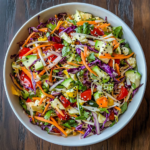
Asian Chopped Salad
- Prep Time: 15
- Cook Time: 5
- Total Time: 20
- Yield: 6 servings (3 cups each) 1x
- Category: Dinner
- Method: Chopping and Tossing
- Cuisine: Asian (Chinese/Thai fusion)
- Diet: Vegetarian
Description
A vibrant, crunchy salad with sweet-tangy sesame-honey-ginger dressing. Combines crisp cabbage, bell peppers, snap peas, carrots, cashews, and chow mein noodles for an easy, flavorful meal.
Ingredients
2 cups shredded red and white cabbage
1 cup chopped snap peas
1 medium bell pepper, diced
1 cup thinly sliced carrots
1/2 cup roasted cashews
3/4 cup crispy chow mein noodles
2 tablespoons sesame oil
2 tablespoons rice vinegar
1/3 cup honey
1 tablespoon soy sauce
1 tablespoon grated ginger
1 clove minced garlic
Optional: 1 teaspoon chili garlic oil for heat
Instructions
Chop cabbage, bell pepper, snap peas, and carrots into bite-sized pieces
Toss vegetable mixture in a large bowl
In a separate bowl, whisk together sesame oil, rice vinegar, honey, soy sauce, grated ginger, and minced garlic to make dressing
Add half the dressing to the salad; toss to coat
Top with roasted cashews and crispy chow mein noodles
Drizzle remaining dressing over the salad
Mix gently and serve
Notes
For gluten-free, substitute crispy chow mein noodles with rice crackers or baked quinoa
Store in an airtight container in the fridge for up to 3 days
Dressing can be doubled for extra flavor
Add grilled chicken or tofu as a protein-rich variation
Crispy noodles can be pan-fried briefly if necessary
Nutrition
- Serving Size: 3 cups
- Calories: 200
- Sugar: 15g
- Sodium: 120mg
- Fat: 18g
- Saturated Fat: 3g
- Carbohydrates: 30g
- Fiber: 3g
- Protein: 4g
- Cholesterol: 0mg